NVIDIA 40 Hands


NVIDIA and others showed off their 40-series graphics cards some time ago and the internet is having a collective panicked reaction that is much worse than I anticipated. Prior to writing this piece, I had another newsletter in the works that would explain why I think the 40 series launch wouldn’t be so bad as well as COVID so I scrapped it and started over with this rundown. As it turns out, crypto mining or bots nabbing GPUs before anyone else could would be the reason why folks can’t get one; it’s price.
During the GCX conference, Jensen Huang delivered a keynote where he briefly discussed the GeForce RTX GPUs that took up all but 20 minutes of the presentation. I expected more from the GPU aspect and less from the Omniverse and driverless vehicles, but it is understandable since NVIDIA has a huge dealing within the computing space that goes beyond “pretty gaming graphics.”
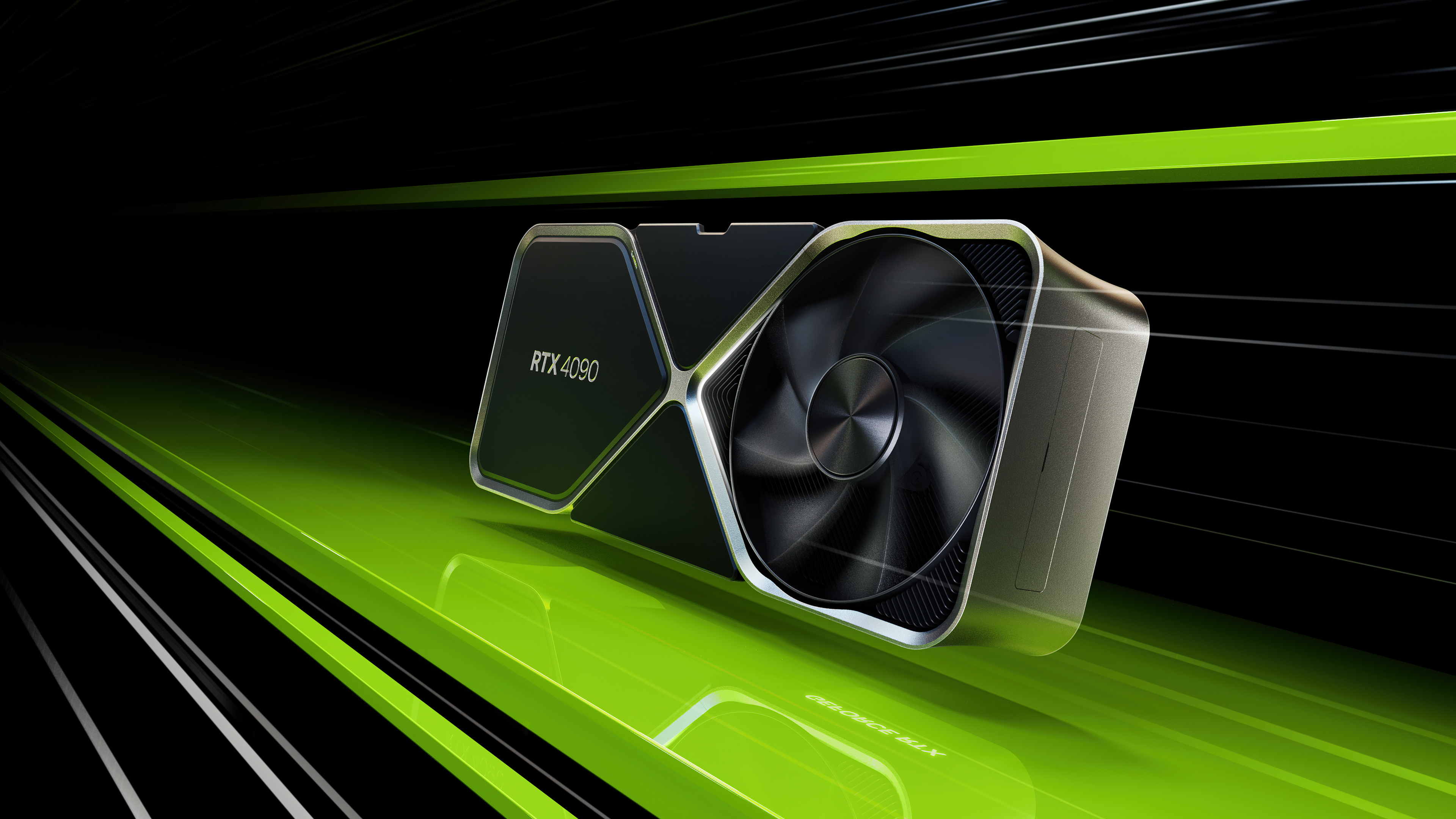
Perhaps the most surprising part of the entire conference was the prices of these GPUs and the weird, dual-model 4080s. The 4090 is the most powerful card that was shown off and has a high price point starting $1599 USD. These cards are mostly designed for creatives who work on resource-demanding applications such as 3D modeling and game development, but Huang really laid it on thick on how you should have one of these cards to play a litany of titles that don’t need it.
The real shock came when the 4080 was revealed to have two models that present two different builds all-together while maintaining the name. There are 16GB and a 12GB models that also have fluctuating number of CUDA cores and other changes to performance specs, making the 12GB model seem more like a 4070 or 4070 Ti rather than a true-to-heart 4080. Why was this decision made? Who knows, but I have a feeling this is one of the reasons why EVGA left NVIDIA’s circle.
To rip the bandaid off, the 12GB 4080 starts at $899 while the 16GB version retails for a whopping $1,199. These may fall into the high-end “enthusiast” realm, but I don’t know a single person that would either benefit from this or even pay this ridiculous price point. To be honest, I have seen the rumored price points for third-party developers and the prices do not look great. We are looking at mid-crypto pricing here and all I can say is that I hope AMD gets their stuff together soon.
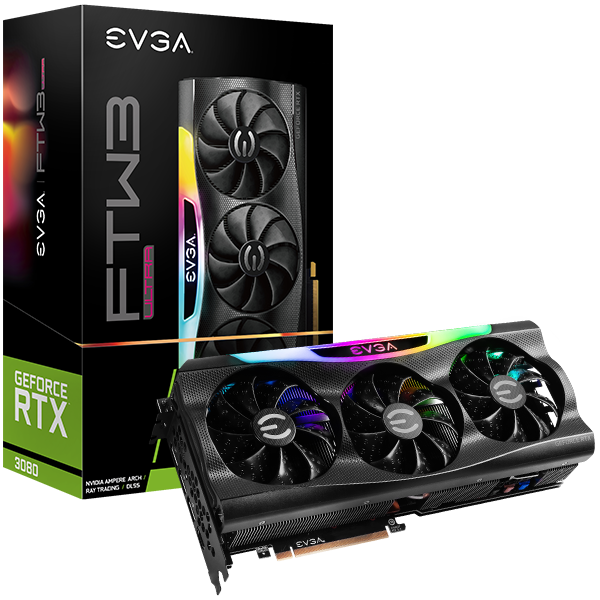
While the technology behind it such as DLSS 3.0 (which is exclusive to this era) is a nice touch and makes Cyberpunk 2077, Morrowind, and Portal look neat, it doesn’t do enough for me to buy at that price point, and I don’t think you should either unless you got the money to burn. Especially if you currently have a 30-series card.
Why would folks want these cards? Well, they are powerhouses designed to produce graphics almost three to four times more powerful than most gaming consoles. We are talking about the first cards that can deliver 4K resolution at 120 Hz with extreme levels of ray-tracing technology. It is wildly impressive to me on a technical level, but on a more grounded foot, I can’t see many people utilizing this level of power to its fullest. Those who like consoles will still receive a solid gaming experience on the Xbox Series X or PlayStation 5, but for PC gamers, it is all about squeezing every ounce of performance out of the tech.
So, if you are looking to upgrade, I can see the 12GB 4080 worth the most bang for your buck, but if you feel like spending the additional money on the 16GB variant, then go for it, just keep in mind the taxes. The huge caveat to this though is current electrical profile. With rumors of these cards reaching over 450W of power along with your other components taking up equally more demanding electrical draw, you are going to want to get yourself a 1000W power supply at minimum.
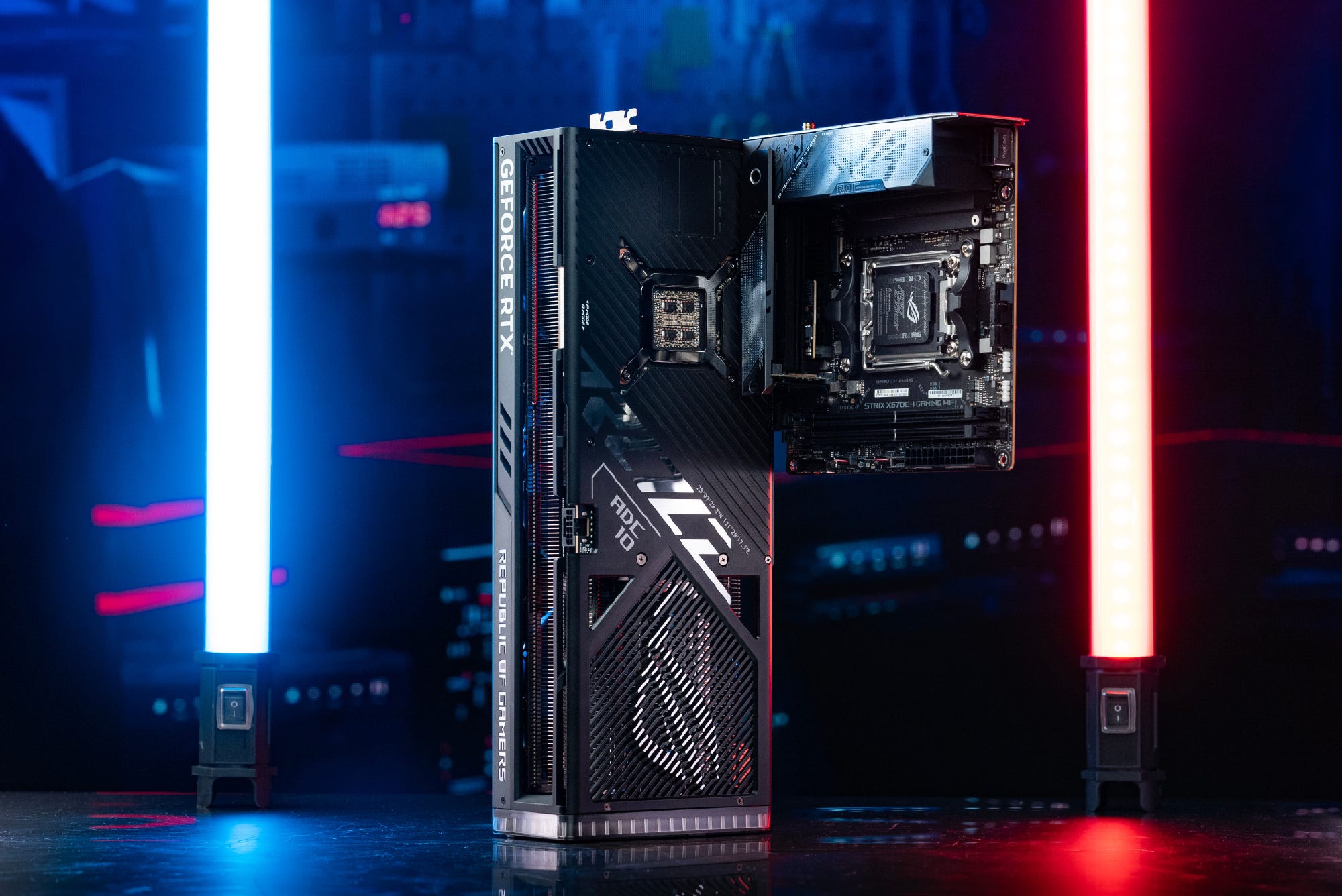
Now here comes the big questions: should you upgrade if you happen to meet all the other criteria? Hell, if I could buy one right now, I would, because I happen to have a big 4K tv that could use the natural frame rate buff. My wife’s computer which has a 1080p display wouldn’t get much use out of the 4080, and this is where we need to really sit down and think about builds.
It is nice to have a super powerful graphics card, but you may want to consider upgrading other components to minimize bottlenecking. With a slow processor and old PCIe platform, you might not be using the full potential of the GPU. Without PCIe 5.0 chipset, your brand new 4080 might feel more like a 3060, performance-wise. So the unfortunate truth is that you should have a system equipped with either a 12th Gen Intel Core or an upcoming AMD Ryzen 7000 Series R7 or R9 AM5 processor. It would also be most beneficial to have a motherboard that can handle DDR5 RAM and at least one PCIe 5.0 x16 slot. Keep in mind, AMD’s AM5 platform doesn’t launch till later this month and has yet to be fully tested. So be warned if you happen to take my word as the gospel truth (also thank you if you are).
I know that doesn’t really answer the question on if you should upgrade, and to be honest I cannot see much of a reason to upgrade your GPU and not upgrade other parts of your system. Sure, you can toss this behemoth of a card into your system but a consideration for the rest of your system should be a thought in the back of your mind. Perhaps you are better off waiting for AMD to discuss their upcoming Radeon GPUs which have always excelled in the low- to mid-tier markets.
For now, we are going to have to wait and see the reviews as they come in. Right now the general consensus is that no one really likes these cards. They are too expensive and most of the information regarding performance seems to be incredibly muddied. If NVIDIA can release 4060 and 4070 card around the $499 and $699 price point, respectively, and performance isn’t terrible, then we can really talk.